

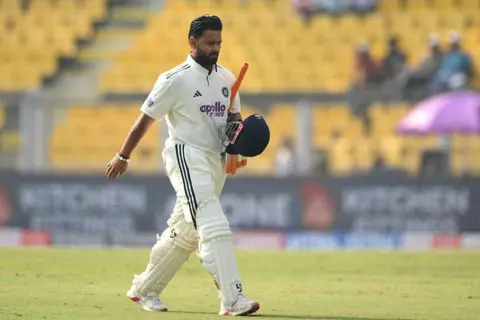
India's unexpected 0-2 series loss to South Africa in the recent red-ball series has plunged the side into crisis.
Earlier this week, the visiting team handed India their heaviest Test defeat by runs, defying expectations. It marked the Proteas' first series win in India in 25 years and India's another home failure in just 12 months after a 12-year unbeaten run.
The winning rhythm built over the last several months has all but vanished and the careers of several players - including head mentor the coach - now hang in the balance.
Initial Hope Fades Quickly
The emerging side's strong showing in the UK this season, under a different skipper, pointed to a smooth transition post the near-simultaneous exits of stalwarts Ashwin, Rohit Sharma, and Virat Kohli.
A facile 2-0 win over the Windies at the beginning of the home season boosted that belief, till the Proteas turned up and handed out a devastating defeat.
India were a tad unfortunate that skipper Shubman Gill was injured very early in the initial match and was ruled out in the series. But that neither explains nor absolves the squad of the well below standard display in both Tests against South Africa.
Some big reputations took a hit, and several players aspiring to extended tenures in Tests were shown as still inadequate - in skill or mindset - for the longer format.
Worrying Trend
It was the second clean sweep on home soil experienced by the Indian team in just more than a year. Last year, unfancied New Zealand had secured a surprising 3-0 triumph which effectively cost India a spot in the World Test Championship (WTC) final.
The fresh failure to the Proteas could damage India's hopes of making the showpiece of this cycle as well.
After being third in the WTC rankings before the series, the side have fallen to the fifth spot. Though nine more Tests are still to come, a majority are against Australia. Typically, playing at home would be a significant benefit - including against the powerful Australians. However the failures against New Zealand and South Africa leave little scope for such assurance.
Reasons for the Slump
India's vulnerability in red-ball cricket has been significantly highlighted. However, why India have performed so poorly in Tests on home soil recently is still bewildering.
From the year 2000 onwards, India were considered unbeatable in Test cricket at home. Under sweltering weather and on surfaces that helped spin and benefited their players, the hosts brooked no opposition. The occasional loss, such as in 2012-13 against the English, was considered an anomaly.
Currently, India appear to be beatable on home turf.
Versus New Zealand in last year and the Proteas this year, India were hoisted by their own petard. The surfaces they prepared to suit their strengths backfired spectacularly, as the opposition used them more effectively, outplaying the Indian batters and bowlers when it counted the most.
What Happened?
A few experts argue that the Indian team is struggling at home because local wickets have been changed from spinning tracks to fast tracks to train the squad to do well overseas.
Others highlight that the domestic T20 league, in which many overseas players play, has reduced the mystery and hardship subcontinental pitches would pose to them before.
Even though there is some truth in both analyses, it fails to account for the reason the side's results on home soil have seen such a sharp fall.

Multiple Failings
The majority of ex-cricketers point to a complex, multi-headed problem, not limited to one or two factors.
Experts and participants have pointed to several failings following the team's embarrassing defeat to the Proteas: underestimating the opposition, inadequate readiness, flawed selections, arrogance, constant chopping and changing of the starting eleven, and emphasizing white-ball over the longer format.
This was evident in the displays of the squad.
Members like Rishabh Pant and Yashasvi Jaiswal, of whom great things were anticipated, were punished for their carelessness, while Sai Sudarshan, Nitish Kumar Reddy, and Dhruv Jurel - who were aiming to establish their position in the squad - were found wanting in skill and mindset, facing the fallout for their nonchalant approach.
A small number - Jadeja, Jasprit Bumrah, Kuldeep, Mohammed Siraj and Washington Sundar - did justice to their skill and fame - but not sufficiently to win matches.
Leadership Under Fire
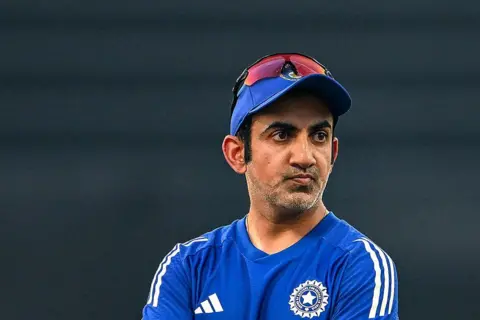
The analysis also included just the players - team selectors and support staff were also questioned, spurred on by disappointed supporters and outspoken ex-cricketers. At the centre of the criticism was mentor Gautam Gambhir.
In his post-series press

